“A problem many people have faced when taking part in activities such as skiing or snowboarding is a lack of visibility. Sometimes, lighting makes the snow surface appear flat, while at other times, clouds or fog interfere with the visibility of the snow. This can prevent the rider from determining sudden changes in terrain, potentially leading to injury or death.”
To expand further on the issue, many skiers and snowboarders are unable to notice when there is a bump or pit in the snow ahead of them. This is due to visibility issues such as lighting or weather conditions, which can cause the snow to appear as a smooth and flat surface of white, while the actual terrain of the snow is much less favourable. This can cause them to hit these seemingly insignificant obstacles at high speeds, potentially resulting in harm.
I aim to design a device that helps skiers and snowboarders see the snow in front of them. My main idea to accomplish this was to build a laser that is able to attach to one’s helmet and project a grid onto the snow. This prototype will have to be tested to measure its usefulness, which I will take on myself once it is complete.
Depending on the size of the grid, this would show many details that the naked eye cannot see in the snow, such as the texture of the snow and where there might be bumps or small pits. This can help skiers and snowboarders avoid interruptions or crashes while riding, which may be caused by hitting these disturbed patches of snow.
Since my last post, I have designed a circuit for the laser in CAD software (see below for a picture of the circuit and the code to run it) and have begun constructing a physical model. Once this circuit is complete, the next step will be to design a case, which will hold it and be attached to the helmet or goggle strap.
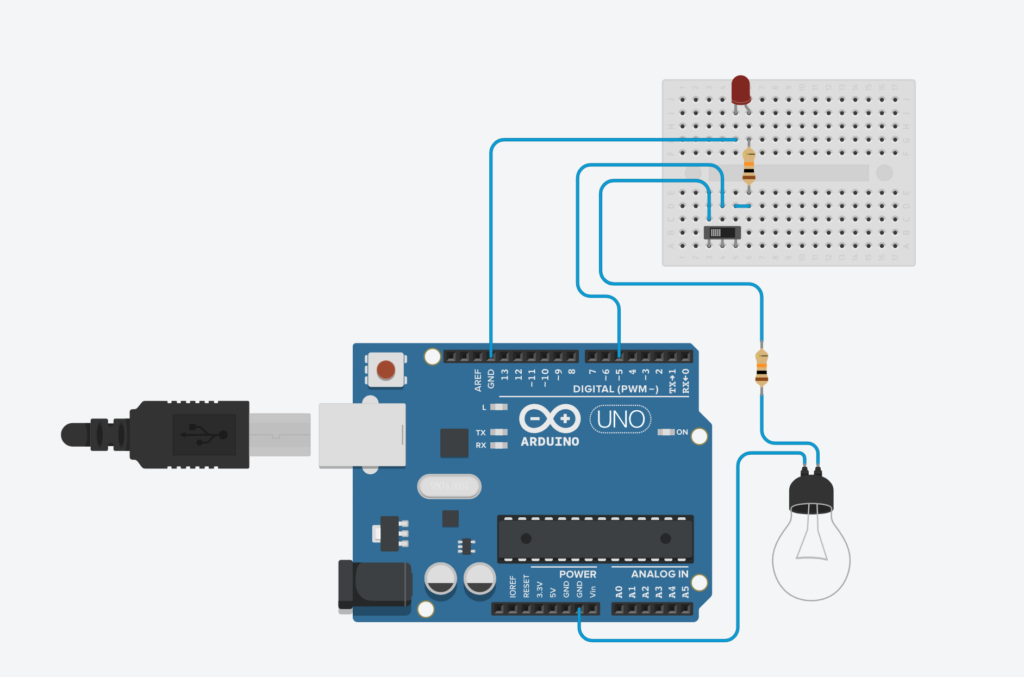
// C++ code
//
void setup()
{
  pinMode(5, OUTPUT);
}

void loop()
{
  delay(3000); // Wait for 3000 millisecond(s)
  digitalWrite(5, HIGH);
  delay(600000); // Wait for 600000 millisecond(s)
  digitalWrite(5, LOW);
}
This case will have to be able to securely hold the circuit without it being damaged when jostled or sustaining impacts, as these things will likely happen often while it is in use. In addition to this, the case must be lightweight, air-tight, and adjustable. This is so it will protect the circuit from snow or moisture entering it, be able to change the angle to fit with people’s heights and sight lines, and more, while not interfering with the balance of the rider.
I will continue working on this project in the meantime and will provide another update in about a month. If you have any questions about my project, please leave a reply in the comments.
As of yet, no Artificial Intelligence has been utilized in this project; it is all my own work.

Leave a Reply