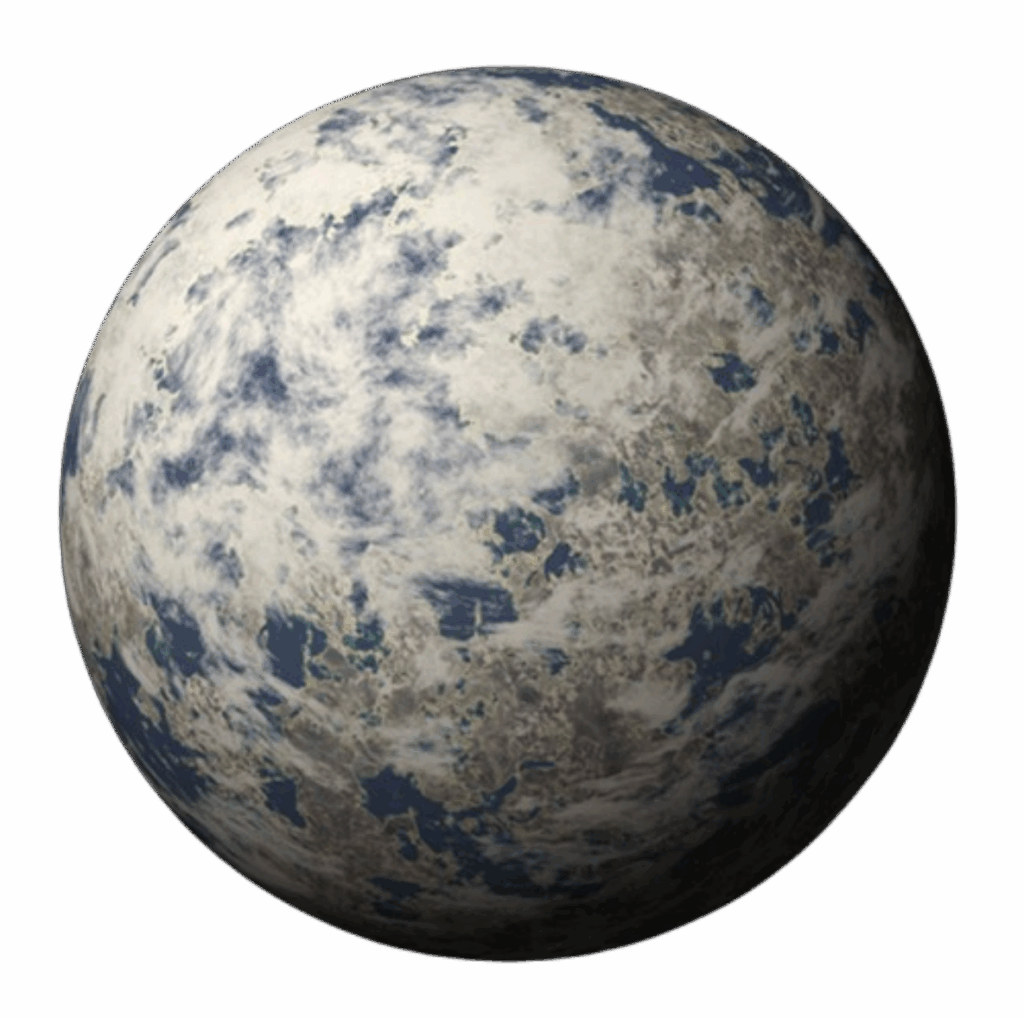
Why Trappist-1e?
- The planet is likely rocky and dense, with a thin/moderate atomsphere (possibly containning carbon dioxide, nitrogen, or water vapor).
- This is similar to the structure on Earth and would be great to build bases and other structures.
- The JWST (James Webb Space Telescope) suggests that Trappist 1 e is warm enough for liquid water.
- This is great since it is possible to have water on the planet and it will not just evaporate.
- The JWST also did not detect a thick hydrogen-dominated atomsphere, which helps rule out a Neptune-like gas layer.
- This is great because we can eliminate the possibilty of this planet to be a gas giant and that it will have solid ground.

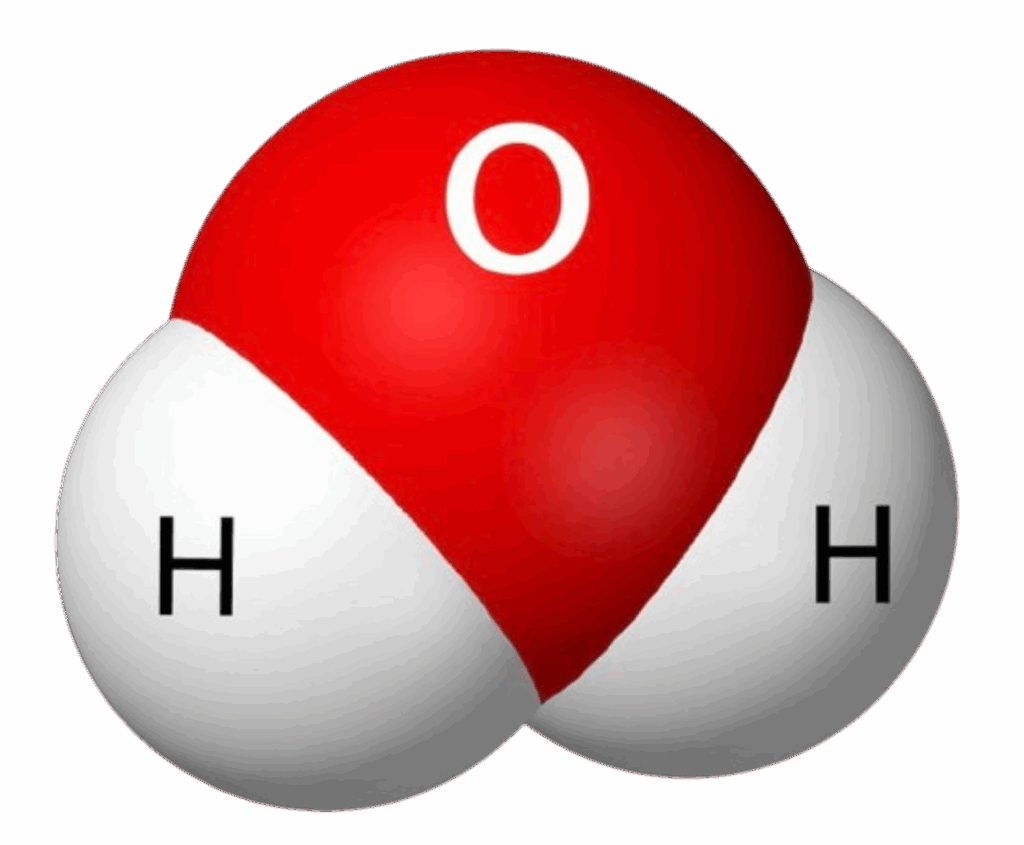
Opportunity 1: Liquid-water stability
Although we are unsure if there is water on the planet, the planet orbits inside the star’s habitable zone, where temperatures could theoretically allow liquid water to exist.
JWST also confirmed that TRAPPIST-1e does not have a thick hydrogen atmosphere, meaning it is more likely to resemble an Earth-like rocky planet rather than a gas-dominated mini-Neptune. This creates an opportunity because liquid water is one of the most important requirements for human survival.
Opportunity 2: Rocky Surface
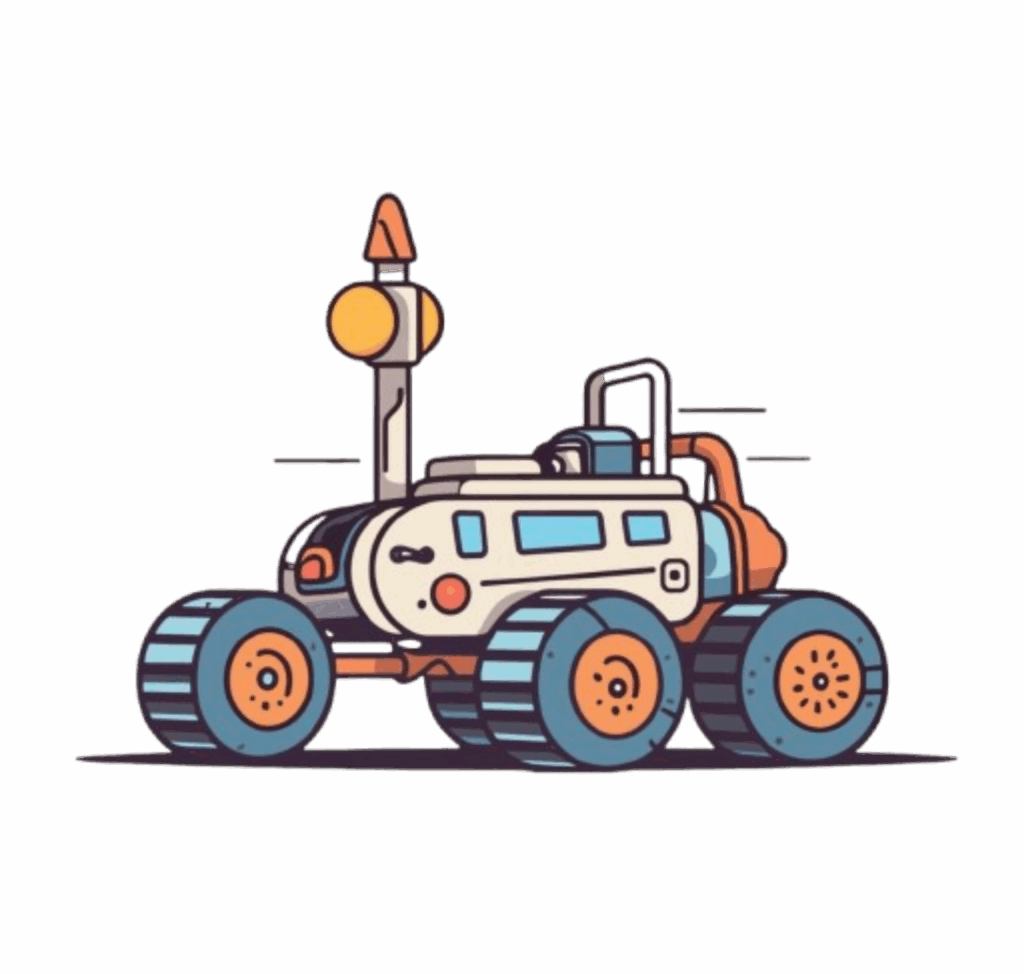
Research shows that it has a rocky surface similar to Earth. This means it has a solid surface suitable for our rover to easily travel across. Our rover will be able to use wheels instead of needing wings or other ways to transport.
Opportunity 3: Possible Atomsphere
JWST’s infrared observations ruled out the possibility of a thick atmosphere, but they did not confirm whether TRAPPIST-1e currently has a thinner, Earth-like atmosphere or none at all.
This presents itself with an opportunity for a manmade atmosphere perhaps.

Challenges:
- Radiation and stellar: the planet orbits a red-dwarf star which can release flares that are radioactive and can strip away the atmosphere and destroy surface life
- Possible Thin Atmosphere (Not Confirmed):Current JWST observations show that TRAPPIST-1e does not have a thick hydrogen-dominated atmosphere. However, scientists still do not know whether it has a thinner secondary atmosphere, such as carbon dioxide or nitrogen, or no atmosphere at all. If TRAPPIST-1e does have a thin atmosphere, it would provide very little protection from stellar radiation and would struggle to maintain stable temperatures. Our rover need to take into consideration the uncertainty in order to gaurantee the safety of our astronauts.
- Dim sunlight from Red Dwarf: Trappist-1e mainly receives infrared light (M-type star), which is weaker compared to sunlight (G-type star) we receive on Earth.
Implications for vehicle design:
- Landing:
- There is no thick atmosphere.
- meaning that there isn’t enough air to slow down the aircraft/vehicle as it lands.
- We need to use rockets in order to land safely.

- Surface Rovers:
- The planet is rocky -> so we have to use tires/wheels and can climb rocky surfaces.
- The planet is possibly tidally locked, with one side that’s hot and one side that’s cold -> meaning we would have to have a sophisticated heating and cooling system, an outside layer that could stand both high and low temperatures, and tires that can endure the temperatures and changes.
- Radiation shielding:
- The planet is exposed to radiation by harmful flares -> meaning we have to create a thick shielding on the outside of our vehicle to stop the radiation from getting in.
- Power systems:
- Because the light on the planet peaks at infra red, we are not able to get the same amount of light as when exposed to our sun -> this means that solar panels will not recieve enough energy and instead, we have to develope solar panels that is specific for infrared light.

How do we know what we know:
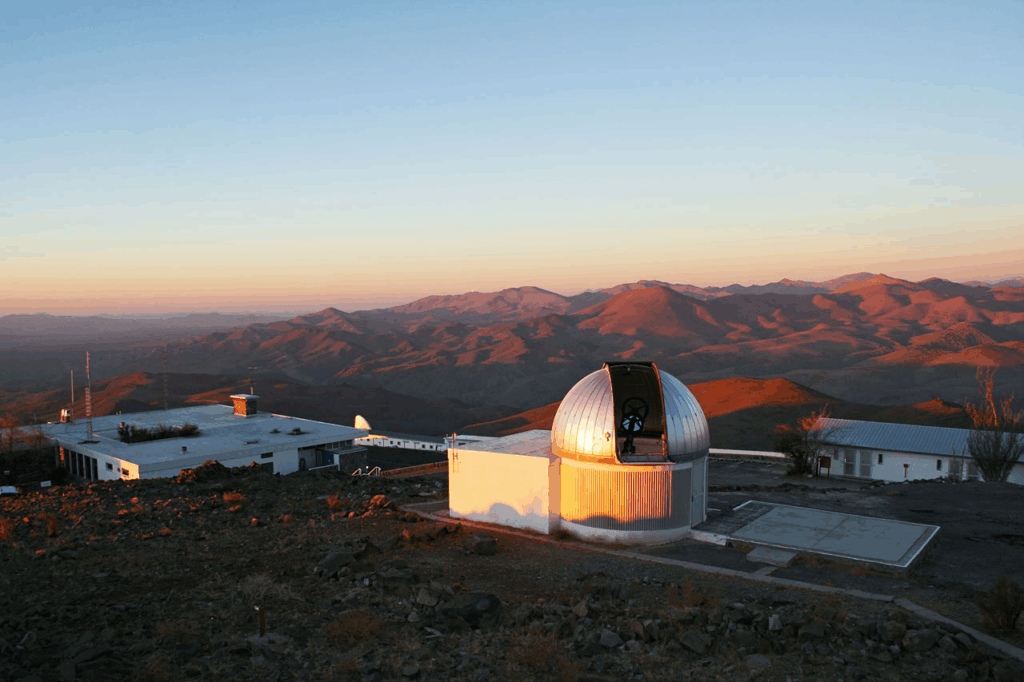
- Teappist 1-e was first found in 2017 using the Trappist telescope in Chile and was confirmed later with NASA’s Spitzer Space Telescope.
- They used the Transit Method: watching tiny dips in the star’s brightness everytime a planet crossed in front of it.
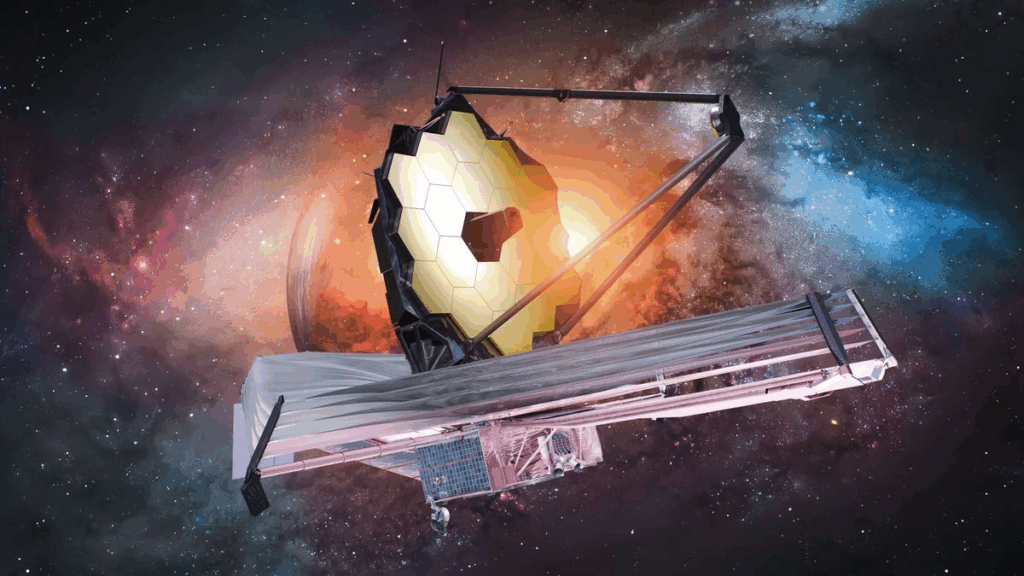
- NASA also used the James Webb Telescope and recorded infrared spectra, which are patterns of light thta change depending on which gases are in the atom’s atmosphere.
- When TRAPPIST-1 e passed in front of its star, some starlight filtered through the planet’s air (if it has one).
- Using the process of transmission spectroscopy
(studying which wavelengths of light were absorbed) we are able to identify the chemical makeup of the atmosphere.
Sources Used (APA Format)
Gillon, M. et al. (2017). Seven temperate terrestrial planets around the nearby ultracool dwarf star TRAPPIST-1. Nature, 542(7642), 456–460.
NASA. (2024, September 8). NASA Webb Looks at Earth-Sized, Habitable-Zone Exoplanet TRAPPIST-1 e. NASA Science.
NASA Exoplanet Catalog. (2025). TRAPPIST-1 e. NASA Science.
NASA. (2018). 10 Things: All About TRAPPIST-1. NASA Science.

AI Use Statement
I used ChatGPT to help me research and organize information about TRAPPIST-1 e, and all facts in my blog post is sourced directly from NASA’s official science pages and publications.



Leave a Reply